


Building a profitable online business requires more than great products and strong marketing. At the core of every successful store lies the connection between e-commerce and finance. Without solid financial planning, even fast-growing online businesses can struggle to survive.
Finance influences how an electronic commerce business prices products, manages cash flow, scales operations, and handles risk. When finance and commerce work together, profitability becomes sustainable rather than temporary.
Why Finance Is Central to E-Commerce Success
E-commerce operates at speed. Payments, ad spending, refunds, and inventory purchases happen daily, sometimes hourly. This makes financial control essential.
Strong online business finance helps companies:
-
Maintain stable cash flow
-
Control operating costs
-
Measure real profitability
-
Plan growth with confidence
In competitive markets, financial discipline becomes a long-term advantage.
Cash Flow: The Engine of Online Profitability
Profit on paper does not always mean cash in the bank. Many electronic commerce businesses fail because they overlook cash flow timing.
Effective cash flow management allows businesses to:
-
Pay suppliers and platforms on time
-
Fund marketing without stress
-
Handle returns and chargebacks
-
Prepare for seasonal demand
Healthy cash flow keeps operations running smoothly, even during rapid growth.
Pricing Strategies That Support Profit
Pricing plays a direct role in profitability. Low prices may increase sales but often reduce margins.
Strong financial planning ensures pricing:
-
Covers all direct and indirect costs
-
Supports sustainable profit margins
-
Accounts for marketing and platform fees
-
Adjusts to changing market conditions
Finance-driven pricing decisions protect long-term profitability.
Managing Costs Without Slowing Growth
Cost control is not about cutting corners. It is about spending with purpose.
Successful e-commerce businesses focus on:
-
Tracking advertising return on investment
-
Optimizing shipping and fulfillment costs
-
Reviewing software and platform fees
-
Scaling teams responsibly
Controlled spending ensures growth does not erode profit.
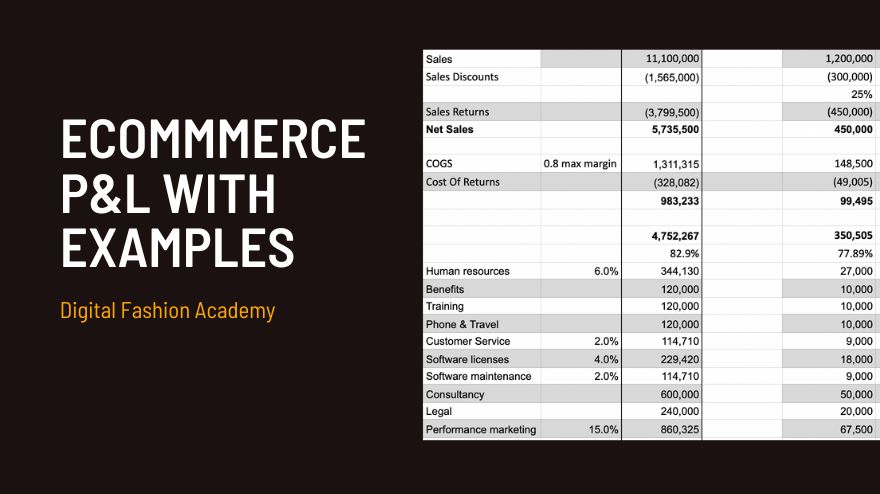
Data-Driven Financial Decisions
Modern e-commerce and finance strategies rely heavily on data. Every transaction provides insight into business performance.
Financial data helps businesses:
-
Identify profitable products
-
Improve marketing efficiency
-
Forecast revenue accurately
-
Detect financial risks early
Data-driven decisions reduce uncertainty and improve outcomes.
Digital Payments and Financial Efficiency
Digital payments form the backbone of online commerce. Faster and more reliable payment systems improve both customer experience and cash flow.
Benefits include:
-
Faster settlement times
-
Reduced manual accounting
-
Lower transaction friction
-
Clear financial records
Efficient payment systems support smoother operations and stronger profitability.
Financing Growth the Smart Way
Growth often requires additional capital, but not all funding supports profitability.
Smart financing strategies include:
-
Using internal cash flow first
-
Choosing funding aligned with revenue cycles
-
Avoiding unnecessary long-term debt
-
Funding growth initiatives with clear returns
Finance should accelerate success, not create pressure.
Managing Financial Risk in E-Commerce
As businesses scale, financial risks increase. Fraud, rising ad costs, and operational inefficiencies can all impact profit.
Strong risk management includes:
-
Fraud detection and prevention tools
-
Regular financial reviews
-
Emergency cash reserves
-
Clear financial policies
Protecting profit is as important as generating it.
Automation Improves Financial Control
Manual processes slow growth and increase errors. Automation strengthens financial accuracy and efficiency.
Automated tools support:
-
Expense tracking and categorization
-
Invoicing and reconciliation
-
Tax calculations
-
Real-time financial reporting
Automation allows owners to focus on strategy rather than spreadsheets.
Common Financial Mistakes to Avoid
Many online businesses struggle due to avoidable financial errors.
Common mistakes include:
-
Confusing revenue with profit
-
Overspending on paid ads
-
Ignoring cash flow warnings
-
Scaling too fast without financial planning
Avoiding these mistakes protects long-term success.
Conclusion
The relationship between e-commerce and finance determines whether an online business becomes truly profitable. Cash flow management, smart pricing, disciplined spending, and data-driven decisions all contribute to sustainable growth.
Businesses that treat finance as a strategic partner—not just accounting—are better equipped to compete, scale, and thrive in the digital economy. In e-commerce, profitability is built through financial clarity and control.
